Why Historic Highways Still Matter in the GPS Era
There is a stretch during almost every road trip when the scenery starts to blur together. One exit looks like the last. The gas stations sell the same snacks. The hotels have the same signs. Before long, it feels like you could be anywhere. That is the strange side effect of modern travel. Getting somewhere has never been easier, but the journey itself has become easier to forget. Historic highways have managed to avoid that fate. They still ask drivers to slow down every now and then. Not because of traffic, but because there is actually something worth seeing.
Not Every Mile Needs to Be the Fastest One
Navigation apps are good at one thing. They save time. Ask for directions and they immediately begin searching for the quickest route, even if it means bypassing the places that gave a region its character in the first place. A difference of fifteen or twenty minutes rarely changes a vacation. Missing an entire town because the highway curves around it can. That is why so many experienced road trippers eventually stop chasing the shortest drive and start looking for the most interesting one instead.
Small Towns Were Built for Travelers Long Before Smartphones
Long before live traffic updates and voice directions, travelers relied on the communities they passed through. They stopped for fuel, asked locals where to eat, picked up supplies, and found a room for the night before continuing the next morning. Those towns grew because people needed them. Many of them still welcome visitors in exactly the same way today. The buildings may look different, cars may be faster, and maps may fit inside a pocket, but genuine hospitality has never gone out of style.
Every Highway Leaves a Different Impression
Some roads exist simply to move traffic. Others invite people to look out the window. Historic routes tend to follow the landscape instead of cutting straight through it. One moment there are open fields. A few miles later, sandstone cliffs appear. Then comes a quiet town where the pace feels noticeably slower. You do not need a tourist attraction every few miles when the drive itself keeps changing. That is part of what makes southeastern Utah memorable. The road never feels disconnected from the landscape around it.
A Good Road Trip Leaves Space for Breathing
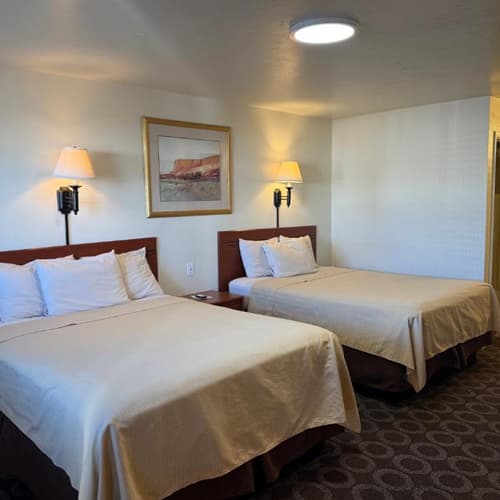
There is a temptation to fill every day with another attraction, another hike, another destination. Eventually the schedule catches up. The best trips usually include time to do very little. Sit outside for a while. Watch the sun disappear behind distant hills. Eat dinner without checking the clock. Sleep without setting an alarm for dawn. Those slower moments are not wasted time. They give the rest of the journey room to breathe. Historic Highway 191 has welcomed generations of visitors exploring southeastern Utah, and Canyonlands Motor Inn has spent nearly four decades welcoming many of those travelers along the way. Comfortable rooms, practical amenities, and genuine hospitality have always mattered, whether directions came from a folded paper map or the latest navigation app. Sometimes the smartest travel decision is not following the fastest route. It is choosing a road that still gives you a reason to look around.
Summary
Discover why historic highways like Highway 191 matter in the GPS era. Learn how slower, scenic routes enhance road trips, support small towns, and connect travelers to the landscape in southeastern Utah.
Key Points
➢The Pitfalls of Modern Navigation: GPS apps prioritize speed over experience, often bypassing local character and hidden small towns.
➢The Value of Slow Travel: Taking historic routes allows drivers to enjoy changing landscapes, natural wonders, and authentic local hospitality.
➢Preserving Small Town Connection: Historic highways keep travelers connected to communities built specifically to support journeys along the road.
➢Embracing Slower Moments: Great road trips leave space for relaxation, unplanned stops, and breathing room away from rigid schedules.
➢Timeless Hospitality: Landmarks like Canyonlands Motor Inn along Historic Highway 191 prove that practical comfort and genuine care remain essential for modern road trippers.
▶Semantic Keynotes & Named Entity Recognition (NER) Tags
Semantic Keynotes
Historic Highways in the GPS Era – Historic routes offer experiences that modern GPS navigation can overlook.
Scenic & Slow Road Trips – Taking a slower route allows travelers to enjoy landscapes, small towns, and unexpected stops.
Small-Town Connections – Historic highways continue to connect travelers with communities built around road travel.
Journey Over Speed – The most valuable road trip is not always the fastest one; the journey itself can be part of the experience.
Relaxed Road Trip Experience – Leaving time for quiet moments, local hospitality, and rest creates a more meaningful trip.
Named Entity Recognition (NER) Tags
AUTHOR: Prasad Bhaskaran
ORGANISATION: Canyonlands Motor Inn
LOCATION: Monticello, Utah / Southeastern Utah
ROAD / ROUTE: Historic Highway 191
TRAVEL CONCEPT: Road Trips / Slow Travel / Scenic Routes